Awareness · Ghiphareprux · 2026
Let attention sit lightly on the table
Mealtime awareness is not a scoreboard. It is the habit of glancing at light, temperature, and your own body before the first bite—so the picture of the day stays honest. The studio keeps language descriptive so you can borrow phrasing for your own notes without importing judgment.
Starting where you already are
If you have ever half-read a list of “shoulds” and set it down, you already know the difference between instruction and help. This page is longer on purpose: it gives you several ways to notice food without building a new identity around it.
A pause can be a single breath, a look at the window, or the time it takes to fill a glass. The duration matters less than the fact that the pause is yours, not a timer someone else set.
Signals you can use without numbers
Texture, colour, and warmth carry information. A crisp bite next to something soft is a way to add interest when energy is uneven through the week. You do not need a spreadsheet; you can describe the last satisfying plate in a short phrase and reuse that phrase when a similar day returns.
When something shows up on many Tuesdays, you can give it a private nickname in a notebook. A label you chose is calmer than a label that arrived from a headline.
Context before comparison
A quiet work lunch and a long dinner with people you love are different scenes. The studio suggests naming the context—alone, in company, in transit, at a desk, at home—before you compare one meal with another. That way you are not asking Tuesday to be Saturday.
If you are reading from Finland, elsewhere in the EU, or the Netherlands, the way you access food may follow different shop hours and light cycles. The ideas here are written to be portable: adjust the example to your own streets and your own table.
A reversible idea: the next meal can nudge, not “make up for” the last. That sentence is longer than a slogan and shorter than a lecture on purpose.
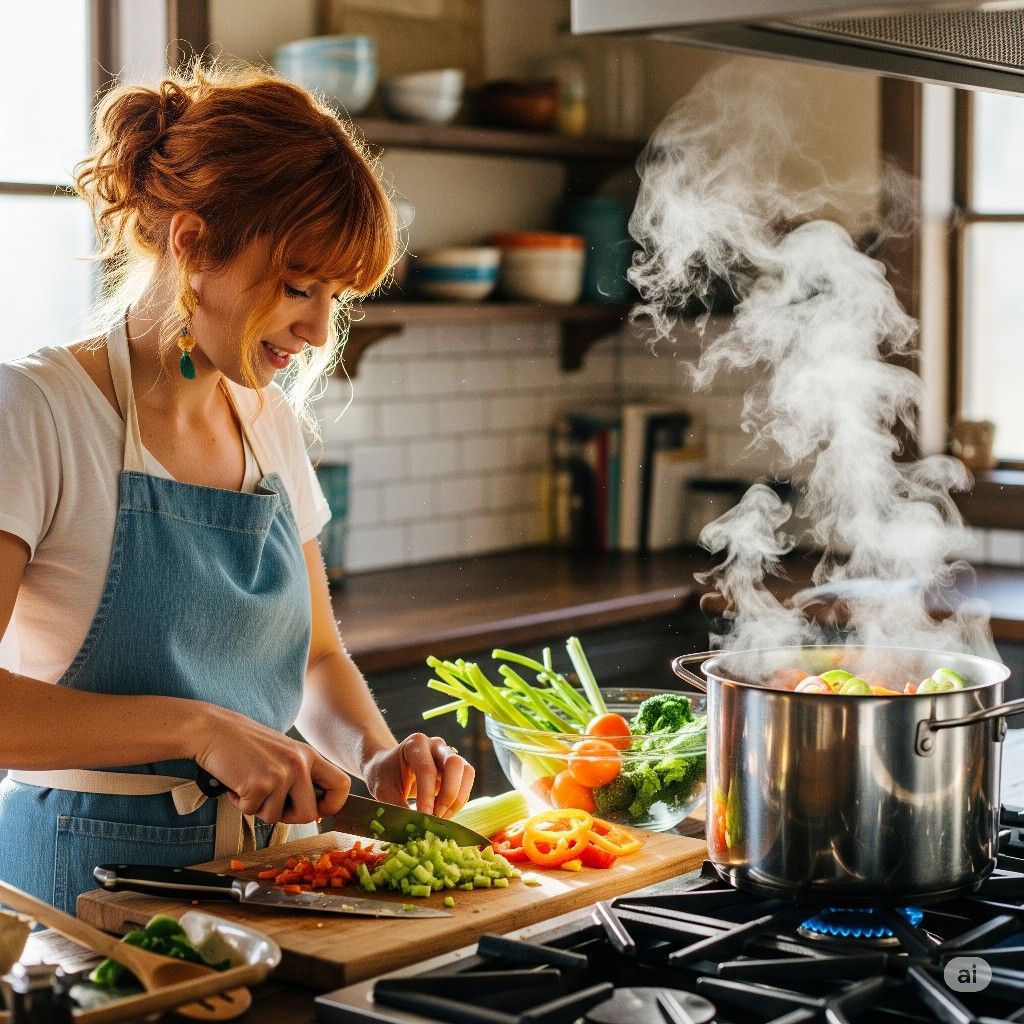
The same calm surface you see in the hero anchors the long sections below: light, order, and room to think at your own pace.
Where pressure tends to appear
Short videos and fast comparisons can make a normal day feel like a report card. The studio’s approach is to slow the comparison: one week, one list of foods you actually like, and one honest note about time. If that sounds basic, that is the point. Basics are what stay available when a season changes or travel scrambles a routine.
We do not use fear or moral language in public copy. We also avoid language that would suggest a result you are owed. Food connects to every part of life; the site stays on the page it can speak for—clarity, structure, and the privacy details you can read in our policies.
How this ties to the rest of the site
The Choice page offers patterns in a more compact layout. The contact form is for questions that need a direct answer from the studio, such as a workshop or an editorial project. If you are only looking for a quiet read, you do not have to do anything more than close the tab when you are finished.
Do I need a fixed schedule
Rhythms work when they match your life. If a strict clock creates stress, use loose windows—late morning, midday, early evening—and let hours shift on travel or shift work.
Is this a replacement for any professional you already see
No. This is general, descriptive content. It does not address individual health questions and is not a substitute for advice from a qualified professional in a regulated field when you need that.
What happens to my data on this page
Reading this page does not add you to a list. The cookie and privacy pages describe when storage occurs and how to control it, including in line with European expectations for transparency and consent where they apply to you.
Where to go when you are ready to act
Open Choice for pattern ideas, or the contact form if you have a project question. Thank-you and legal pages are linked from the footer on every public page of this site.